Planning with confidence
When is kitchen design help worth it?
Look for measured options, explained trade-offs and clear responsibilities when deciding what design help your kitchen needs.
FEHRCO JOURNAL · 3 MIN READ
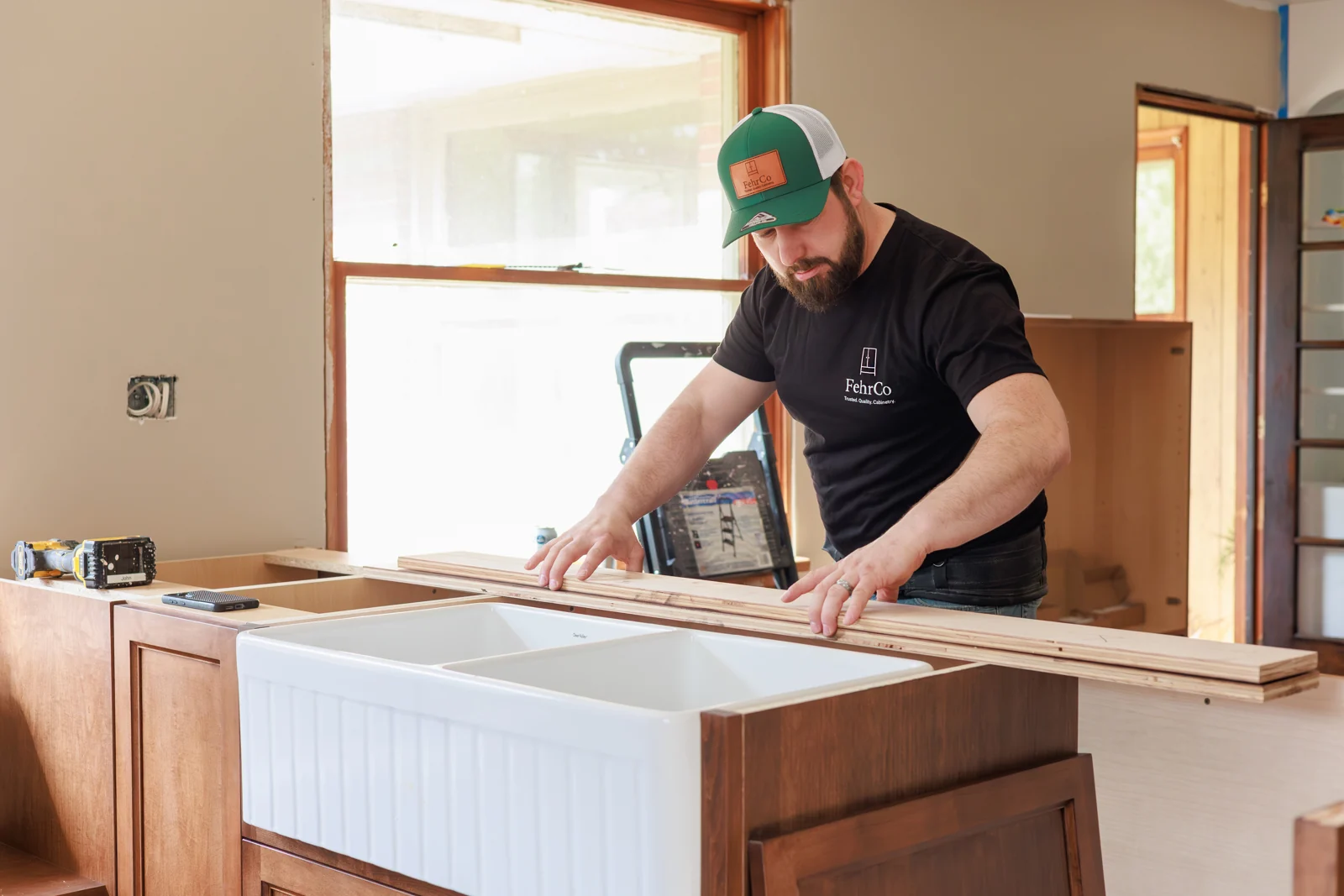
You may know exactly how you want a kitchen to feel and still struggle to decide where anything should go. More inspiration does not always help. Sometimes it simply adds another attractive option.
Design help is worth considering when you need someone to turn priorities into measured choices, explain the trade-offs and coordinate the cabinetry with the real room. Judge the service by what it resolves and delivers, not by how impressive the presentation looks.
Separate the kinds of help you need
Choosing colours, planning cabinet storage and assessing a structural change are different tasks. A project may need several people with different responsibilities.
Start by listing the unanswered questions. Who will measure the space? Who develops layout options? Who confirms appliance fit? Who assesses structural or building-services changes? The right arrangement depends on the scope, not on one job title doing everything.
Ask for reasoning alongside the rendering
A useful presentation should help you understand why a layout was proposed. What problem does it solve? What does it make harder? Which constraint shaped the decision?
Request a comparison based on your routines. If two options look equally appealing, ask how each supports preparation, cleanup, storage and movement. An explained compromise is more useful than being told that one option is simply the best.
Understand the deliverables
Ask what is included in the design service: site information, plans, elevations, visualizations, selections, revisions and coordination. Clarify when the work is considered complete and which decisions remain your responsibility.
Also ask about fees, ownership or permitted use of drawings, and whether purchasing cabinetry is part of the arrangement. Do not assume that design-only support is offered unless it is explicitly confirmed.
Bring the lessons from your current home
Think about the things you already know. Which drawer do you dislike? Where do the lunch containers accumulate? What do you wish were closer to the table?
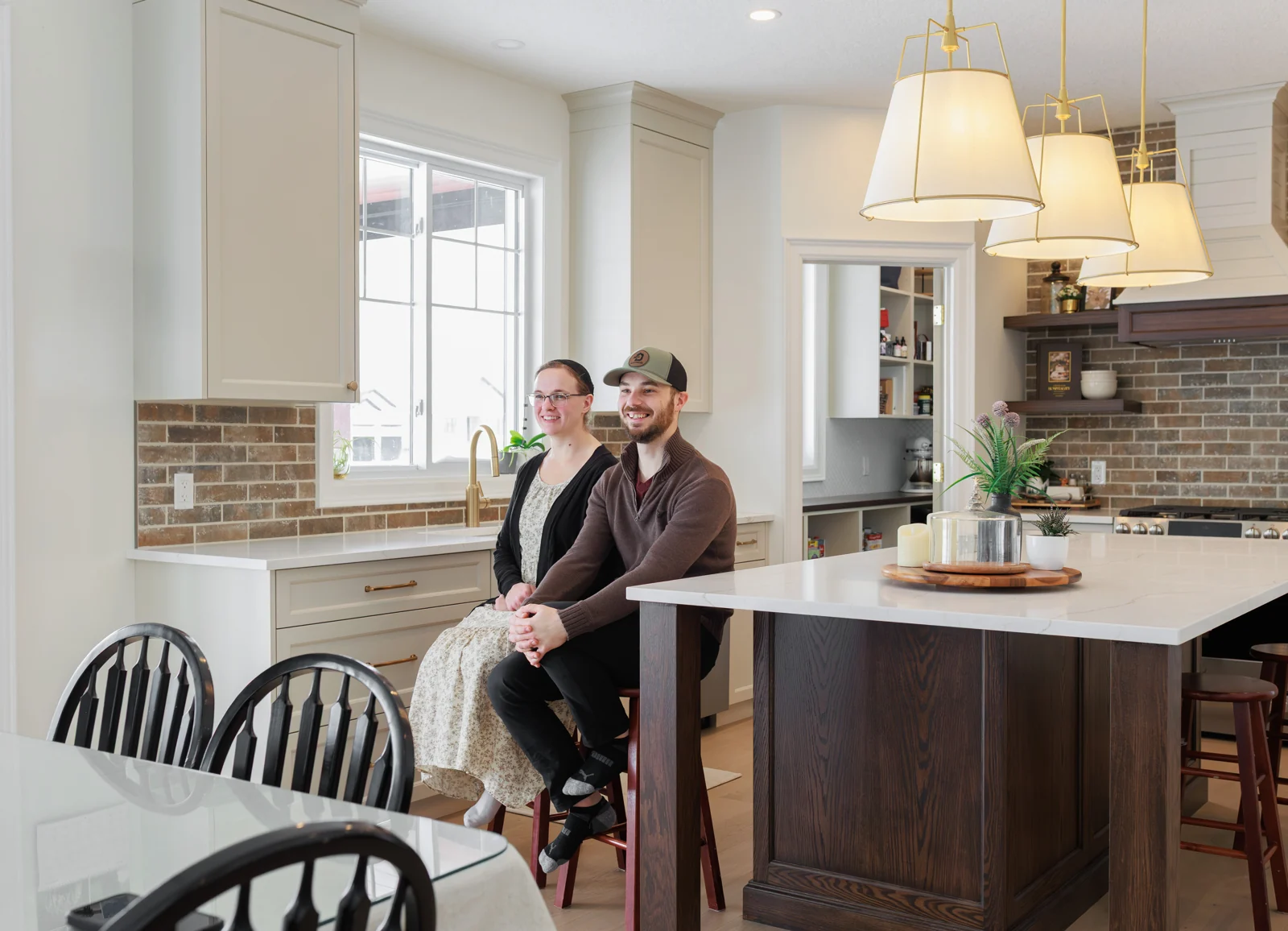
Becky and Peter's FehrCo story describes bringing ideas and lessons from an earlier build into their new cabinetry project. That is a useful model for preparation: lived experience gives the conversation substance before a finish is selected.
Watch for decisions becoming clearer
After a useful design conversation, you should be able to explain the proposal more clearly. You may not have every answer, but you should know the next decisions, the reasons behind them and who is responsible for resolving the unknowns.
Be cautious about treating confidence as proof. Ask to see how the plan responds to your brief and how the relevant dimensions and specifications will be verified.
A first-meeting brief you can make today
Write a page with five headings: what works now, what does not, what must stay, how we use the kitchen and what we need help deciding. Add photographs and any existing plans.
For FehrCo, begin with the cabinetry conversation and clarify the boundaries of the wider renovation. The company's stated focus is cabinetry design, manufacturing and installation.
The value of design is not another beautiful image to save. It is a clearer path from the room you have to the kitchen you want to live in.
SEE THE REAL WORK
Project references describe the featured work. Your own layout, selections and scope need individual review.
FROM IDEAS TO YOUR ROOM